Pink noise, yours free to keep, from study hours to lights out.
A soft, even hiss, like steady rain on the roof. Keep it free, and in Lissa it plays through a work session, or all night to a gentle alarm.


Gardez Pink gratuitement.
Rejoignez la liste d’attente et il est à vous, à écouter quand vous voulez.Choisissez-le comme paysage sonore gratuit et il est à vous, à écouter quand vous voulez.
Rejoindre la liste d’attenteChoisissez votre paysage sonore gratuitAucune carte bancaire requise.
Gardez Pink gratuitement.
Inscrivez-vous et il est à vous, à écouter quand vous voulez.Choisissez-le comme paysage sonore gratuit et il est à vous, à écouter quand vous voulez.
S’inscrireChoisissez votre paysage sonore gratuitAucune carte bancaire requise.
Lissa arrive bientôt.
Rejoignez la liste d’attente et découvrez comment obtenir Lissa Premium gratuitement au lancement.
Mettez vos écouteurs.
7 jours gratuits. Résiliez à tout moment.


How to use pink noise
- Keep it low. Turn it down until the sounds around you blend in. The sleep studies played noise at 40 to 55 decibels, quieter than a conversation, and the sound-masking research advises against going above 45.
- At your desk, start it with the work. Leave the volume where you could still talk over it, and give it a few sessions before you judge it. In Lissa, a Focus session plays Pink to a timer and rings for every break.
- Speaker or headphones, your choice. A speaker fills the room. Sleep headphones, a soft headband or flat earbuds made for side sleepers, keep the sound with you, so whoever shares the bed gets a quiet room.
- In a noisy room, leave it on. Thin walls, a street, a hotel corridor, a partner who snores. A steady sound raises the floor every other sound has to clear, so the door and the snort stand less far above it.
- In a quiet room, play it to fall asleep to. Start it when the lights go out and let it stop once you're under. In Lissa, sound that lasts the night ends with a gentle alarm, or it stops thirty minutes after lights out, whichever your room needs.
What pink noise is
Pink noise is every pitch you can hear, played at once, with the high ones turned down a little: 3 decibels quieter for every octave up. White noise is the same hiss with nothing turned down, so it's brighter. Brown turns the high end down twice as far, so it rumbles. The white noise guide plays the three side by side.
Your ear hears in octaves, and pink puts the same energy in each one, so no part of it leans forward. That's the balance of steady rain, wind in leaves or a waterfall far off, and it's why people who find white noise sharp settle on pink, for a night or for a whole day. Green is its rounder cousin, gathered in the middle of the range.
Lissa's Pink is a pink noise generator, not a recording: it's made on your device as you listen.
What pink noise does
It covers other sounds. Snoring is loud for a bedroom: in the snoring research, a meter set above the beds of 162 habitual snorers found two thirds of them above 45 decibels, and most of a snore's power sits low, under 500 hertz. A noise covers a sound with the part of its energy nearest that sound's own pitch, and pink spreads its energy evenly across the octaves, so it reaches the low rumble and the hiss of the snort after a pause alike.
In the founding masking study, five people slept under recorded hospital noise and were disturbed 48 times an hour; with steady noise added, 16. In a 2026 pilot, pink noise at 45 decibels softened the broken sleep that traffic noise caused in twelve people. On the snoring page, Your Side is pink noise with a slow beat under it, made for the side of the bed that's awake.
Of the colors, pink is the one the sleep labs keep coming back to. The finding people quote, deeper slow-wave sleep and better memory the next morning, came from short bursts of pink noise timed to the brain's own slow waves, a few at a time with silence between, first in young adults in 2013 and again in older adults in 2017. Steady pink noise through the night is a different thing. In a 2026 study, 25 adults slept seven nights in a lab with pink noise at 50 decibels playing from lights out, and their deep sleep, their time to fall asleep and their waking all stayed where they were, with about nineteen minutes less REM than on a quiet night. So keep it low, and in a quiet room let it stop once you're asleep. Every study, with its numbers, is in the research on colored noise.
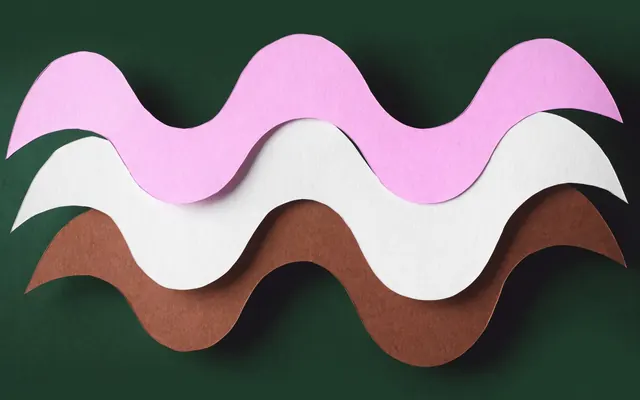
Every Frequency at Once
What white, pink, and brown noise are and what happens when people listen to them.

The Other Side of the Bed
What a partner’s snoring does to the sleep beside it, why it is so hard to sleep through, and what a steady sound can lay over it.

The Quietest Hours
What the research says about sound at bedtime and sound through the night.
Get Pink free
Join the waitlist with your email. No credit card needed.Sign up with your email. No credit card needed.
- Choose Pink as your free soundscape.
- Play it in Lissa Web whenever you like.
Lissa is coming soon. Join the waitlist and learn how to get Lissa Premium free at launch.Then get Lissa on your phone, where the whole collection is 7 days free, because the only way to judge a sleep sound is to sleep with it.
Lissa arrive bientôt.
Rejoignez la liste d’attente et découvrez comment obtenir Lissa Premium gratuitement au lancement.
Mettez vos écouteurs.
7 jours gratuits. Résiliez à tout moment.
Everything in Lissa for a day and a night with Pink
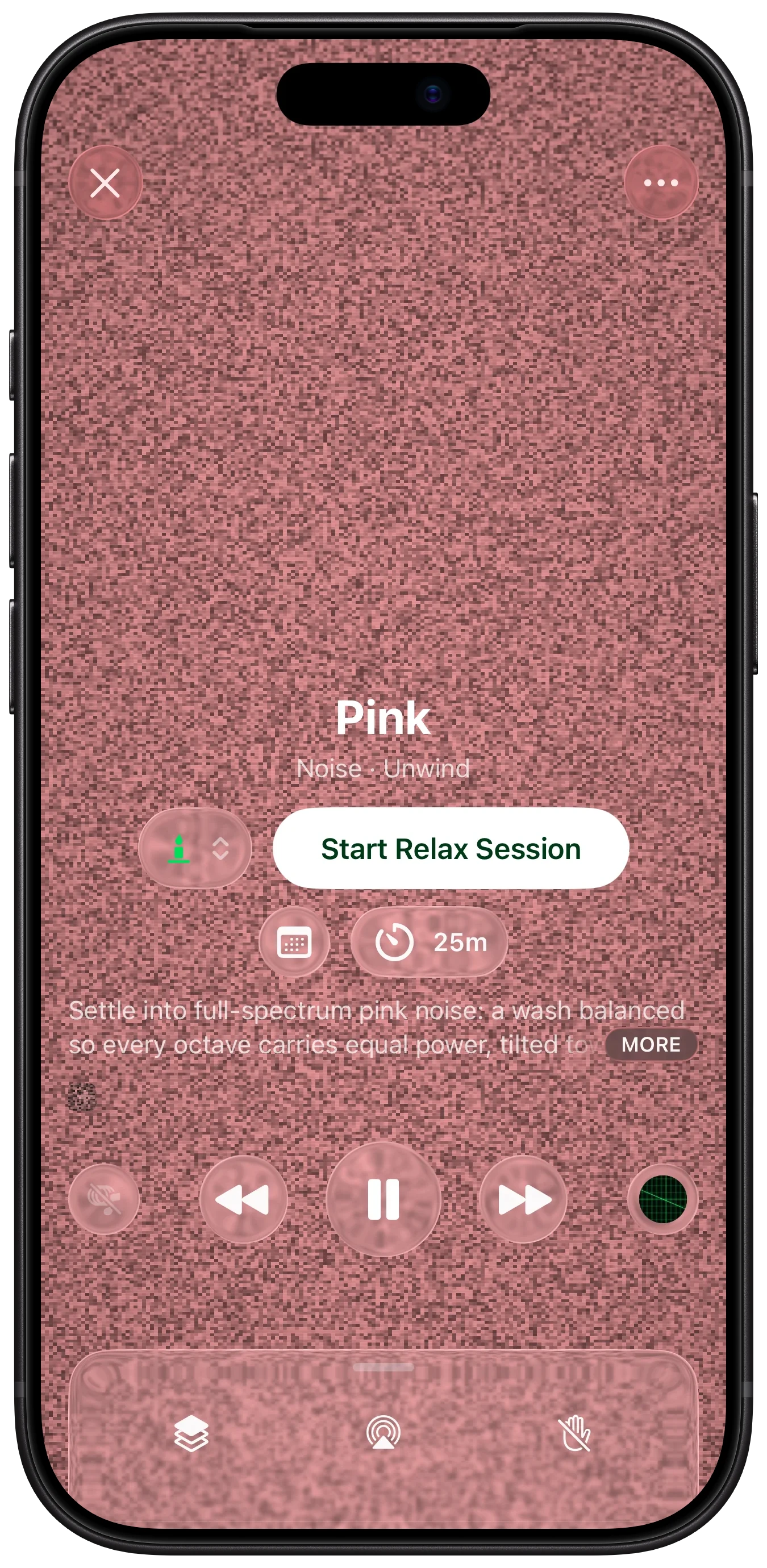
Soft enough for the whole day. Pink sits on Lissa's Tinnitus Relief shelf because it's the color you can keep on from the first coffee to the last email, at a desk, on a drive or in a waiting room.
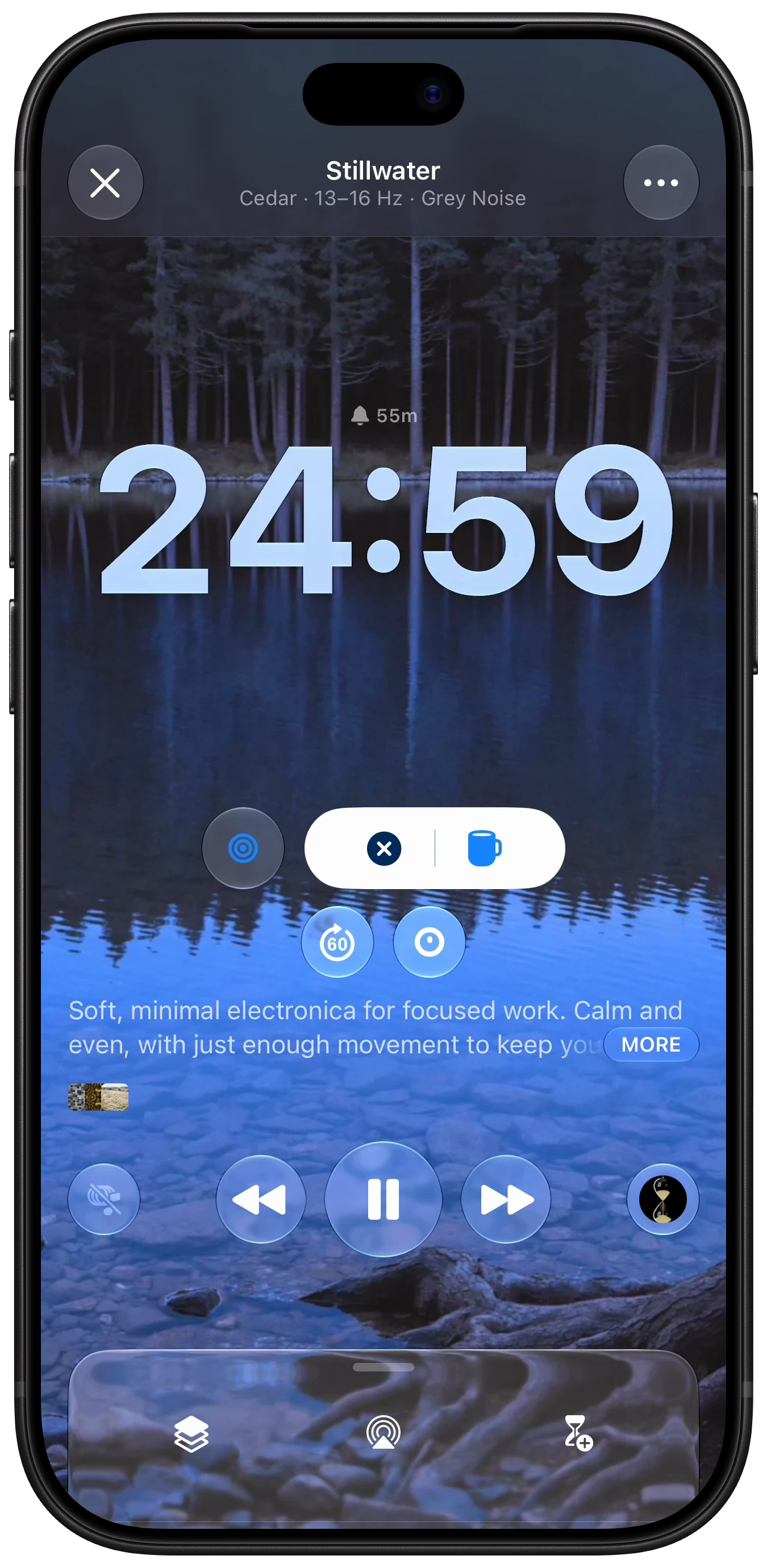
A work session with the noise on. Start a Focus session with Pink, let an alarm mark each break, and Block Distracting Apps keeps the apps you pick from opening until you're done.
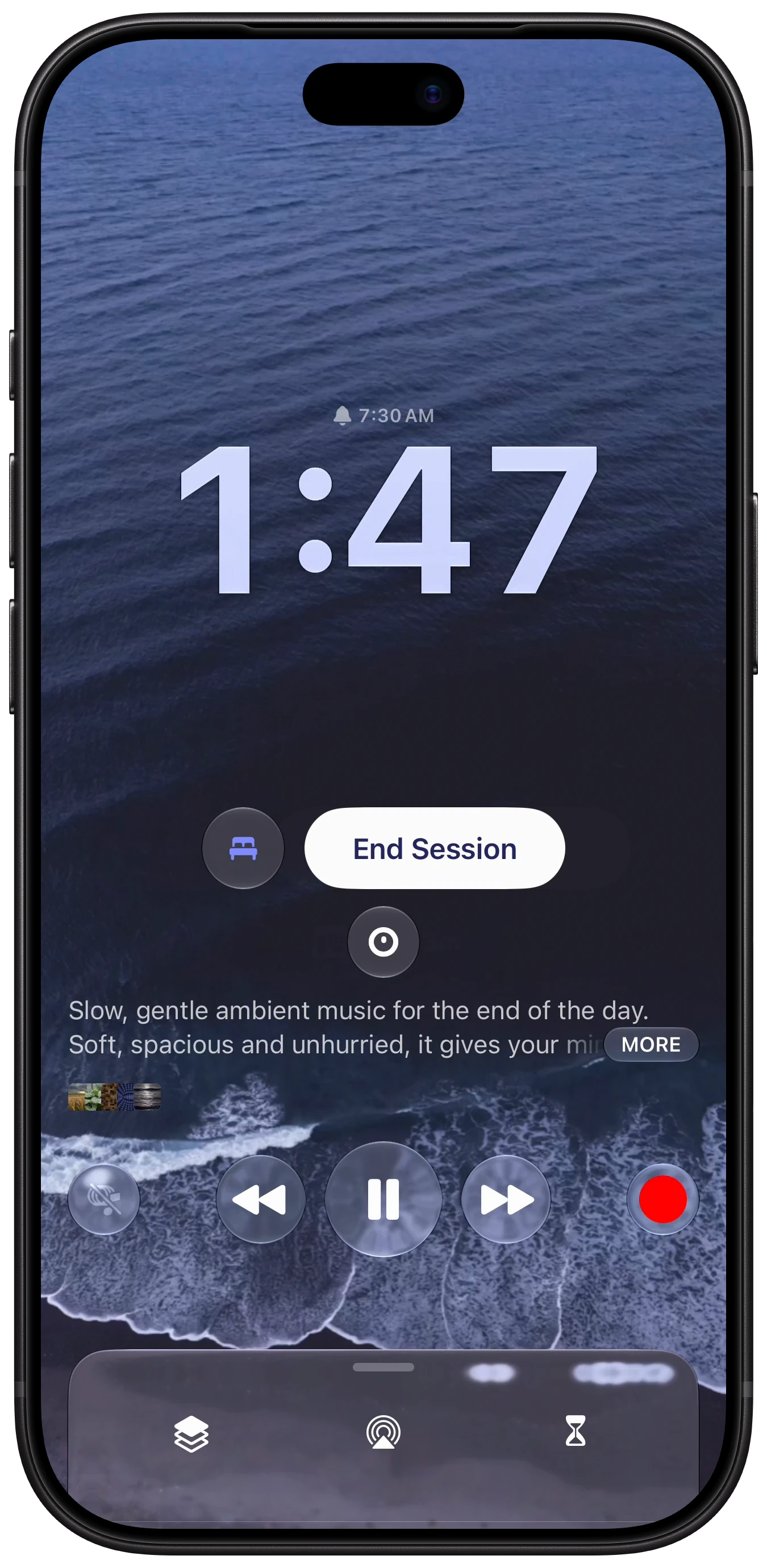
The night, three ways. All Night plays Pink from lights out to your alarm, for the street or the snoring. Fall Asleep gives you thirty minutes that settle you down and then stop, for a quiet room. Fall Asleep & Ease Awake does both: sound while you drift off, quiet through the night, and sound again, softly, before the alarm.
A gentle alarm at the end of it. A gentle Wake Alarm, and a morning soundscape can take over from there.
Pink under a slow beat. Put a Delta Range beat under Pink as you settle in, add ambient sounds over it or your own playlist alongside, and set each at its own volume. Save the mix, and it's one tap tomorrow night.
Easy on your ears. Listening in headphones all day and all night? Lissa shows how much listening your ears have had this week, so you know when to turn it down.
Ce qu’en disent nos bêta-testeurs.
JonathanBêta-testeur « Lissa a vraiment changé mes moments de concentration. Les paysages sonores sont magnifiques et m’aident à me plonger vite dans le travail, et c’est facile d’ajouter ma propre musique. Bloquer les apps qui me distraient me garde sur ma tâche, et les rappels de pause m’évitent de m’épuiser pendant les longues séances. Je le recommande vivement. »
WilliamBêta-testeur « Bravo pour cet outil génial, il va aider beaucoup de monde. »
PhillipBêta-testeur « L’idée de “construire un paysage sonore” pour se mettre dans un certain état d’esprit est incroyable. »
JamesBêta-testeur « J’ai adoré pouvoir moduler, changer les fréquences (c’est magique), les formes, etc. »
Before you start.
What does pink noise do?
It covers other sounds. A steady hiss raises the room's floor, so a door, a voice through the wall or a snore stands less far above it, and in sleep labs that cut how often sleepers were disturbed on noisy nights. In a quiet room it's a sound to fall asleep to, and at a desk it gives your ears one even thing to settle on instead of the office.
What's the difference between pink noise and white noise?
White noise plays every pitch at the same strength, so it sounds bright, like a fan on high. Pink turns each higher octave down by 3 decibels, so it sounds softer and deeper, like steady rain. Both cover sound the same way, so pick the one you'd happily live with for an hour. Pink noise vs white noise goes through the choice for sleep and for focus.
What color noise is best for sleep?
The one that covers what wakes you and that you'd happily fall asleep to. Where colors have been compared head to head in a lab, they've come out the same. White suits sharp, high sounds, brown a low rumble, and pink sits between them, soft enough for all night. The white noise guide plays them side by side.
Is it okay to play pink noise all night?
Yes, kept low: quieter than a conversation, just loud enough for the room's sounds to blend in. Leave it on when something keeps waking you. In a quiet room, sound that plays until you're asleep and then stops may suit you better, since steady pink noise all night took about nineteen minutes from REM in the lab. If you're after pink noise for 10 hours, Lissa plays Pink from bedtime to your alarm, however long the night, and there are eight hours of it on YouTube for a night beside a snorer.
Is pink noise good for studying?
For some people. In trials with children and teens, white or pink noise helped those whose attention drifts, and slightly hurt those whose attention holds. In adults, a steady low tone did as much as pink noise, so what counts is one even sound in your ears instead of the room. Try a week of study sessions with it and a week without.
Can I get pink noise free?
Yes. Pink plays at the top of this page, generated in your browser, and it's yours to keep free when you choose it as your free soundscape. Lissa is coming soon. Join the waitlist and learn how to get Lissa Premium free at launch.In Lissa, the whole collection is 7 days free, because the only way to judge a sleep sound is to sleep with it.
Sur le même sujet
- Block Distracting Apps on iPhone: What Works in iOS 27
Block distracting apps on iPhone with Screen Time and Focus, step by step for iOS 27, and see which settings still hold when you're tempted.
- What to Do About Noisy Neighbors, Starting Tonight
Footsteps overhead or bass through the wall at 1am? What to say to your neighbor, what to change in your room, and how to cover the rest so you can sleep.
- Brown Noise for Sleep and Focus: Play It Free All Night
Play brown noise for sleep and keep it free. How loud to set it, sleep headphones or a speaker, all night or just until you're asleep, and brown vs white.
- Calm vs Headspace: Sleep, Anxiety, Meditation, Price
Calm and Headspace side by side: Sleep Stories or courses, coaching, sound, free trials and US prices, and which fits sleep, anxiety or meditation.
- Fan Noise for Sleeping: Play a Real Fan Free All Night
Play a real fan's hum for sleeping, free to keep. Why a fan helps, how loud, sleep headphones or a speaker, and all night or just until you drift off.
- Green Noise for Sleep: Play It Free, All Night
Play green noise for sleep and keep it free. How loud to play it, speaker or sleep headphones, and when to leave it on all night.
- Grey Noise: Play It Free for Sleep, Focus and Tinnitus
Grey noise is white noise shaped to the ear, so every frequency sounds equally loud. Play it free and keep it, and how loud to set it for sleep and focus.
- Sleep Timer on iPhone: Apple Music, Spotify, YouTube
Set a sleep timer on iPhone with the Clock app, and it stops any app at the time you choose. Plus the timers built into Spotify and YouTube.
- Sound Bath at Home: Play an Hour of Singing Bowls Free
Take a sound bath at home tonight: play an hour of singing bowls free, set up the room, hear what the studies found, and take one for sleep.
- Water Eject Shortcut: Play the 165 Hz Tone, or Ask Siri
Speaker muffled after rain or the pool? Play the 165 Hz water eject tone here, free, get the Water Eject shortcut for Siri, or clear wet AirPods.
- White Noise App: Free White Noise for Sleep, Focus and Calm
Play white, pink or brown noise free in your browser. Use it to sleep, focus or quiet a noisy room, then keep it playing in the Lissa app.
Pink noise, at your desk and in bed.
Keep Pink free. In Lissa it plays through a work session, or until a gentle alarm wakes you.
Lissa arrive bientôt.
Rejoignez la liste d’attente et découvrez comment obtenir Lissa Premium gratuitement au lancement.
Mettez vos écouteurs.
7 jours gratuits. Résiliez à tout moment.