Grey noise, yours free to keep.
Smooth, even noise, the same loudness from the deep end to the top, like a steady wash of air. Keep it free, and in Lissa it plays through a work session or all night to a gentle alarm.


Lissa 即将推出。
加入候补名单,了解如何在首发时免费获得 Lissa Premium。
戴上耳机。
免费试用 7 天,可随时取消。


How to use grey noise
- Keep it low. Turn it down until the sounds you're covering blend in. The sleep studies played their noise between 40 and 60 decibels, no louder than a conversation, and the office studies that cover voices run at 42 to 45.
- For sleep, sleep headphones or a speaker. Sleep headphones, a soft headband or flat earbuds made for side sleepers, keep the sound with you and leave a quiet room for whoever shares it. A speaker fills the room instead.
- For work, play it under the voices. What breaks concentration is speech you can make out, and a steady, even floor makes it harder to follow. Grey is level across the whole range, so no band of it stands out while you work. In Lissa it plays under a Pomodoro, with your feeds blocked until the break.
- All night when something keeps waking you. Traffic, a snoring partner, a hallway that comes alive at 6 a.m. In Lissa, All Night is sound that lasts the night, with a gentle alarm at the end of it.
- Until you're asleep when the room is quiet. In a seven-night sleep-lab study of 25 adults, pink noise at 50 decibels through a quiet night took 18.6 minutes off REM sleep. In a quiet room, play it to drift off to and let it fade.
What grey noise is
Grey noise is white noise shaped to the way you hear. Your ear is most sensitive in the middle of the range, around the pitch of speech, and least at the deep bottom and the airy top, so white noise, which carries equal power everywhere, sounds like a bright hiss. Grey eases the middle back and lifts the lows and highs to meet it, following the ear's equal-loudness curve, so every frequency sounds equally loud. The result is smooth and full-bodied, even from end to end. In the US you'll see it spelled gray noise.
Next to white it sounds rounder and fuller, less like static and more like a steady wash of air. The two cover the same range; grey spends its energy where your ear needs it rather than where a meter does. To the ear, white is loudest in the middle of the range, where speech and sharp sounds sit, and grey is level all the way across, which is what makes it easy to live with for hours. Brown goes the other way, deep and low; the brown noise vs white noise comparison takes that pair through a day, and the white noise guide is the home of the colors, with white, pink and brown playing side by side.
White and pink have standard definitions. Grey has none, because an equal-loudness curve changes with how loud you play it, so every grey noise is one maker's curve at one level. Lissa's Grey is shaped to an equal-loudness curve, the middle eased back and the deep lows and airy highs lifted to meet it. Green noise is another color with no standard definition, gathered in the middle of the range, right where grey eases back.
Grey noise for tinnitus
People with ringing ears reach for grey because it's level across the range: it gives the ear something even to rest on, with no band that stands out beside the ringing. Keep it at the lowest level that keeps you company. The tinnitus page has soundscapes made for it, for the desk, the drive and the night.

Get Grey free
Join the waitlist with your email. No credit card needed.Sign up with your email. No credit card needed.
- Choose Grey as your free soundscape.
- Play it in Lissa Web whenever you like.
Lissa is coming soon. Join the waitlist and learn how to get Lissa Premium free at launch.Then get Lissa on your phone, where the whole collection is 7 days free, because the only way to judge a sleep sound is to sleep with it.
Lissa 即将推出。
加入候补名单,了解如何在首发时免费获得 Lissa Premium。
Everything in Lissa for a day and a night with Grey
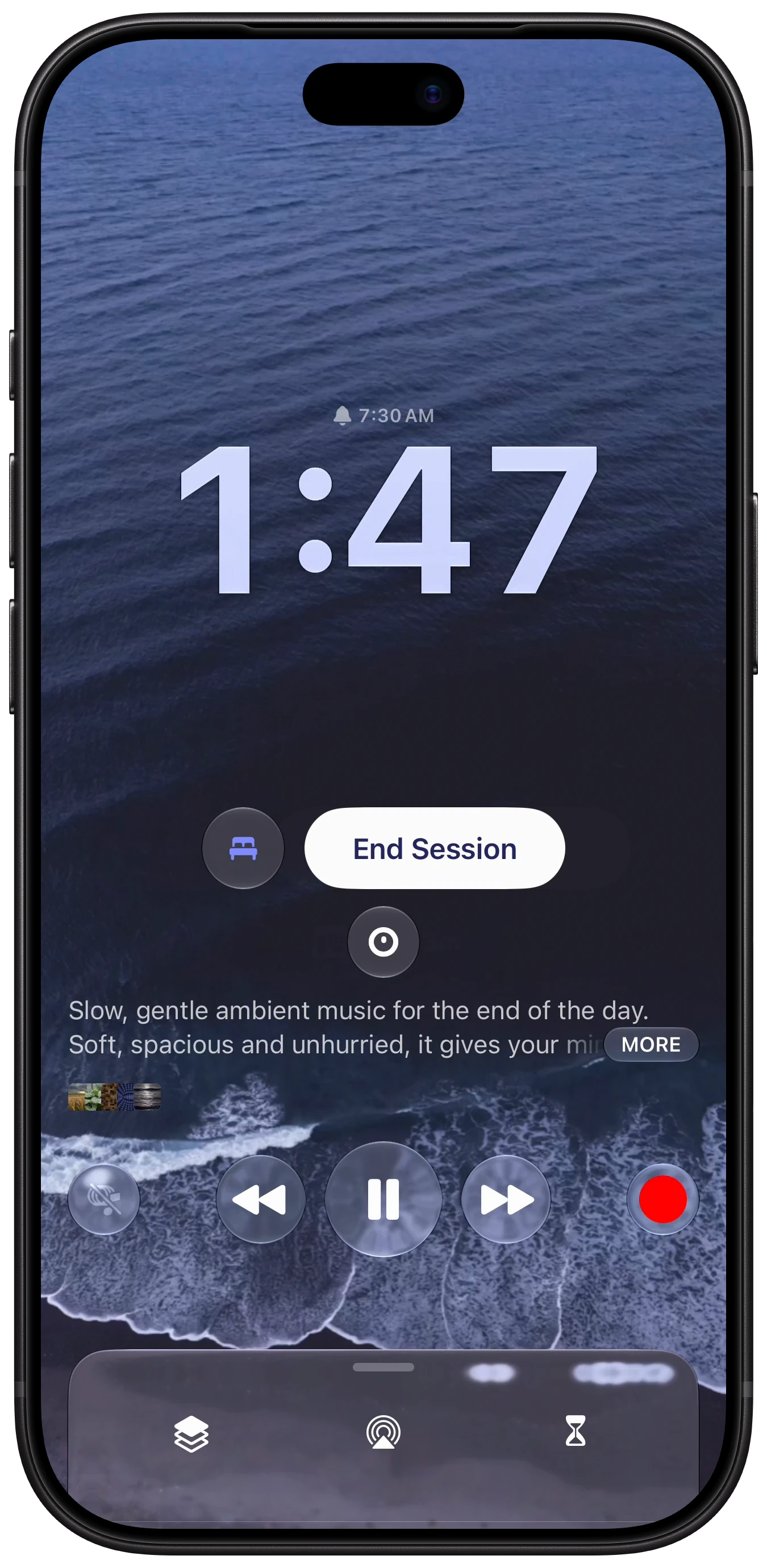
Through the work block. Grey plays under a Pomodoro timer with timed breaks, your feeds blocked until the break.
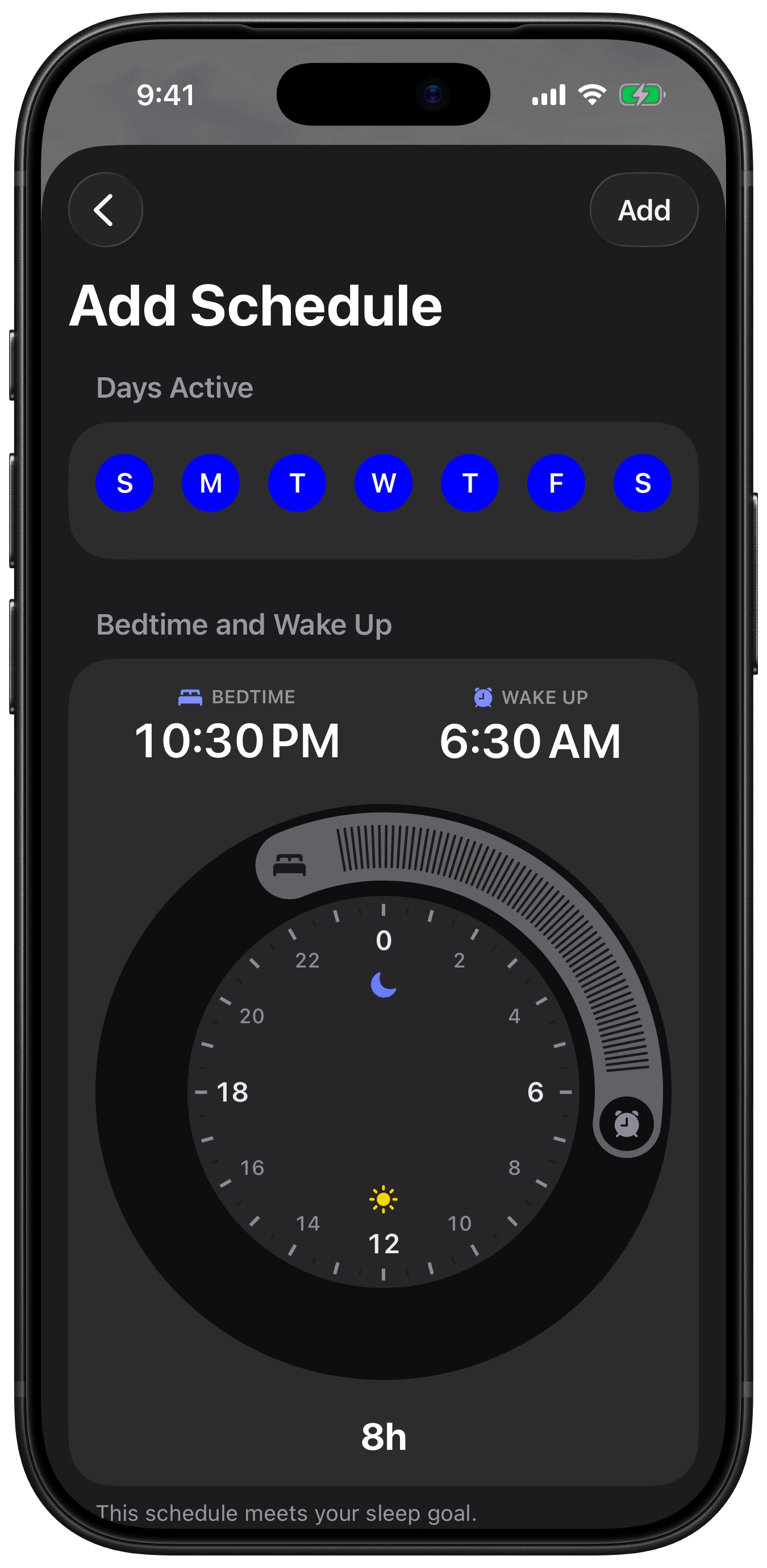
All night, or just until you drift off. All Night runs Grey straight through to your alarm. Fall Asleep settles you down for half an hour, then lets the room go quiet. Fall Asleep & Ease Awake does both, and rises softly before the alarm.
Grey, mixed your way. Add Rain on a Window over it, a slow Delta Range beat under it, or your own playlist alongside, and set each one's volume by ear.
A gentle way to wake up. A gentle Wake Alarm, and a morning soundscape can take over from there.
Headphones all day? Lissa shows how much listening your ears have had this week, so you know when to turn it down.

我们的 Beta 测试者怎么说。
JonathanBeta 测试者 “Lissa 让我的专注时间真的不一样了。声景很好听,能帮我很快进入状态,而且加入我自己的音乐也很方便。屏蔽让人分心的 App 让我不跑题,休息提醒也让我在长时间工作时不至于累垮。强烈推荐。”
WilliamBeta 测试者 “做出这么棒的工具,真了不起,它会帮到很多人。”
PhillipBeta 测试者 “‘搭建一个声景’来让自己进入某种心境,这个想法太棒了。”
JamesBeta 测试者 “我很喜欢可以调制、改变频率(这太神奇了)、波形等等。”
Before you start.
What is grey noise good for?
Covering sound you can't switch off, for hours at a time: voices in an open office, traffic at night, the ringing of tinnitus. It's level across the whole range, so it covers low sounds and high ones alike and nothing in it stands out. Play it at the level where the room blends in.
Is grey noise better than white noise?
For long listening, many people find it easier on the ear, because white sounds loudest in the middle of the range and grey sounds even. For covering a sharp, high sound, white carries more at the top. Play each for a minute and keep the one you'd happily leave on all afternoon.
Is grey noise good for sleep?
It helps where there's something to cover, like a snorer or the street, and the sleep studies played their noise between 40 and 60 decibels. In a quiet room, play it until you're asleep and let it fade: the seven-night sleep lab measured a REM loss when noise ran at 50 decibels all night. In Lissa, Fall Asleep does the fading for you.
What is the difference between grey noise and pink noise?
Pink is the simple version of the same idea: it falls 3 decibels with every octave up, which brings it closer to equally loud than white is. Grey follows the ear's actual curve, so it sits lower in the middle and keeps more at the deep end and the top. Pink sounds like steady rain; grey sounds like a full, even wash.
Is grey noise or brown noise better?
They do different jobs. Brown is deep and low, for traffic, bass through the wall and snoring; grey is even everywhere, for voices and for sound you'll live with all day. The brown noise guide plays brown and explains when to pick it.
Can I get grey noise free?
Yes. Grey plays at the top of this page, and it's yours to keep free when you choose it as your free soundscape. Lissa is coming soon. Join the waitlist and learn how to get Lissa Premium free at launch.In Lissa, the whole collection is 7 days free, because the only way to judge a sleep sound is to sleep with it.
相关内容
- Block Distracting Apps on iPhone: What Works in iOS 27
Block distracting apps on iPhone with Screen Time and Focus, step by step for iOS 27, and see which settings still hold when you're tempted.
- What to Do About Noisy Neighbors, Starting Tonight
Footsteps overhead or bass through the wall at 1am? What to say to your neighbor, what to change in your room, and how to cover the rest so you can sleep.
- Brown Noise for Sleep and Focus: Play It Free All Night
Play brown noise for sleep and keep it free. How loud to set it, sleep headphones or a speaker, all night or just until you're asleep, and brown vs white.
- Calm vs Headspace: Sleep, Anxiety, Meditation, Price
Calm and Headspace side by side: Sleep Stories or courses, coaching, sound, free trials and US prices, and which fits sleep, anxiety or meditation.
- Fan Noise for Sleeping: Play a Real Fan Free All Night
Play a real fan's hum for sleeping, free to keep. Why a fan helps, how loud, sleep headphones or a speaker, and all night or just until you drift off.
- Green Noise for Sleep: Play It Free, All Night
Play green noise for sleep and keep it free. How loud to play it, speaker or sleep headphones, and when to leave it on all night.
- Pink Noise App: Play It Free for Studying and Sleep
Pink noise is a soft, even hiss, like steady rain. Play it free and keep it, for studying, a noisy room or falling asleep. How loud, and for how long.
- Sleep Timer on iPhone: Apple Music, Spotify, YouTube
Set a sleep timer on iPhone with the Clock app, and it stops any app at the time you choose. Plus the timers built into Spotify and YouTube.
- Sound Bath at Home: Play an Hour of Singing Bowls Free
Take a sound bath at home tonight: play an hour of singing bowls free, set up the room, hear what the studies found, and take one for sleep.
- Water Eject Shortcut: Play the 165 Hz Tone, or Ask Siri
Speaker muffled after rain or the pool? Play the 165 Hz water eject tone here, free, get the Water Eject shortcut for Siri, or clear wet AirPods.
- White Noise App: Free White Noise for Sleep, Focus and Calm
Play white, pink or brown noise free in your browser. Use it to sleep, focus or quiet a noisy room, then keep it playing in the Lissa app.
Try grey noise tonight.
Keep Grey free. In Lissa it plays through a work session or all night to a gentle alarm.
Lissa 即将推出。
加入候补名单,了解如何在首发时免费获得 Lissa Premium。
戴上耳机。
免费试用 7 天,可随时取消。